
Lymphatic Drainage Massage
This type of massage is also known as manual lymphatic drainage (MLD). It feels very different to a deep tissue massage as it is gentle and specialised technique focused on stimulating the flow of lymph fluid through the body's lymphatic system. This technique uses light, rhythmic pressure and specific strokes to encourage the movement of excess fluids waste products and toxins towa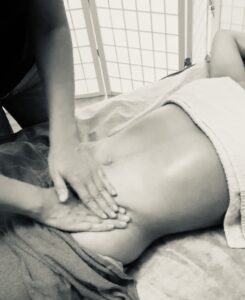 rd the lymph nodes for natural filtration and elimination.
The lymphatic system is a vital part of the immune and circulatory systems. It consists of a network of vessels, nodes, and organs the transport lymph - a clear fluid containing white blood cells, proteins, and waste. Unlike the heart pumped blood circulatory system, the lymphatic system has no central pump. It relies on muscle movement, deep breathing and external stimulation (like massage, skin brushing) to move fluid and fight infection. When lymph flow is sluggish due to surgery, injury, illness or inactivity, fluid can build up, leading to swelling.
Manual Lymphatic Drainage can help with:
- reducing swelling and bruising post surgery or injury
- improving circulation and immune function by supporting body's natural detoxification process
- pain relief and relaxation
- reduction of bloating and puffines
- sinus issues or mild edema
- recovery in sports injuries
Contraindications for massage include: active infection, fever, cellulitis, untreated blood clots, heart failure, kidney disease or severe circulatory issues.
After the massage you may experience increased urination (as fluid is processed), mild fatigue , thirst, or a temporary detox feeling (headache, mild nausea). These usually resolve within 24-48 hours. It's important to hydrate well, avoid heavy meals, alcohol, caffeine, saunas, or intense exercise afterwards.
For those who have restrictions receiving full body massage great option is Reflexology Lymphatic Drainage, that stimulates the lymphatic reflexes on the feet or hands to encourage better lymph flow throughout the body.